
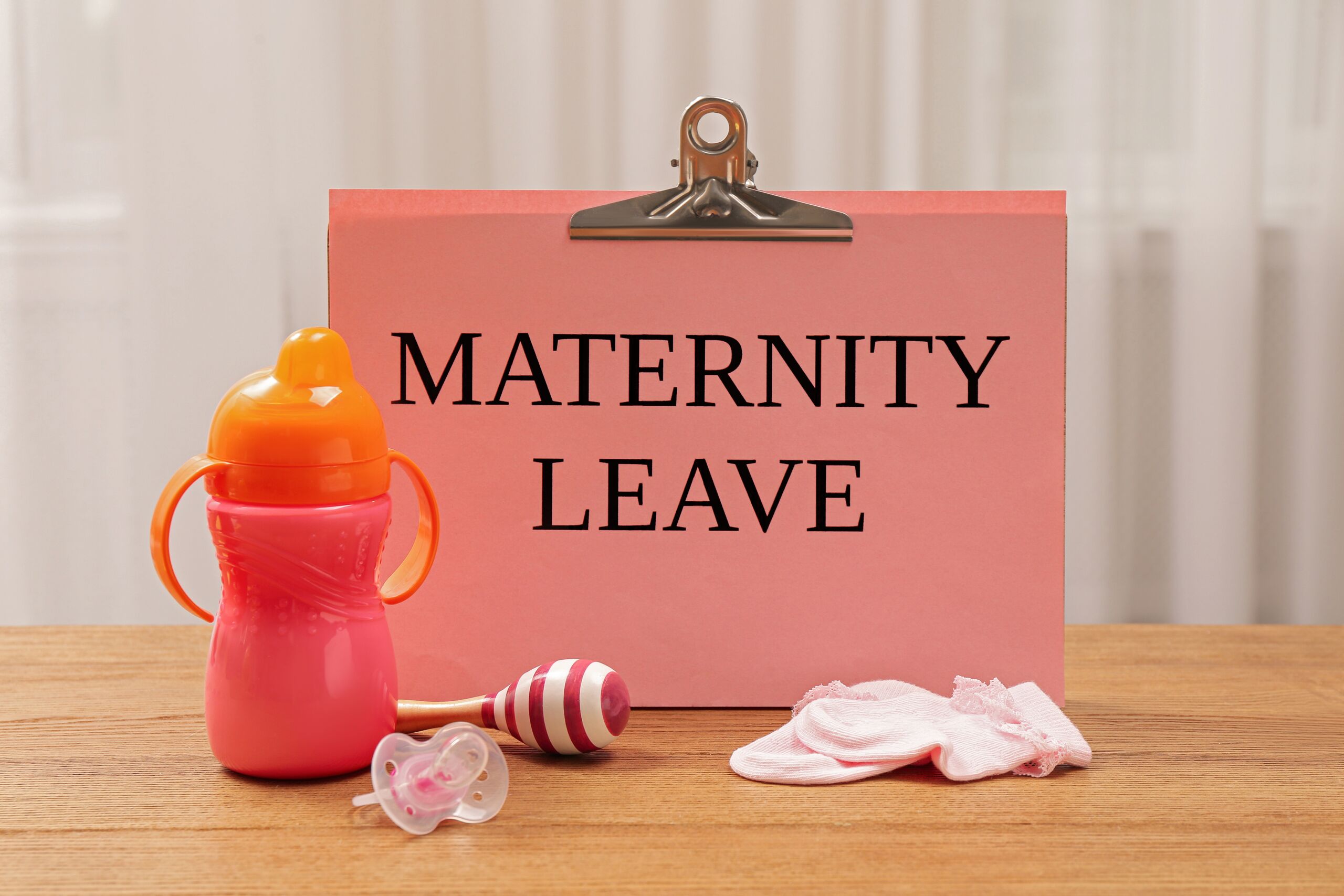
Yes, under the federal Pregnant Workers Fairness Act (PWFA), light duty is a recognized reasonable accommodation for pregnant workers. This means an employer must consider temporarily modifying your job duties, including suspending certain tasks, to account for pregnancy-related limitations.
The conflict typically arises because many Florida employers are still operating under outdated rules. They might reflexively deny a light duty request, tell you no such positions exist, or worse, try to push you onto unpaid leave. This leaves you choosing between protecting your health and earning a paycheck.
At Brenton Legal, our practice focuses on employment rights, and we are dedicated to helping workers understand and enforce these federal protections in the Florida workplace. If you have a question about a denied light duty request or are facing forced leave, call us today.
Key Takeaways for Pregnancy Accommodations in Florida
- The PWFA now mandates light duty as a reasonable accommodation. Your right to this modification no longer depends on whether your employer offers similar adjustments to other workers.
- An employer must prove undue hardship to deny your request. They cannot simply refuse; they must engage in a discussion and demonstrate that the accommodation would cause significant difficulty or expense.
- You cannot be forced onto leave if an accommodation is available. The law requires employers to prioritize accommodations like light duty that allow you to continue working and earning your paycheck.
The New Standard: How the PWFA Changed Pregnancy Rights in Florida
Before the PWFA, the primary federal law was the Pregnancy Discrimination Act (PDA), which works in concert with the Florida Civil Rights Act. Under these older laws, your right to light duty was conditional. You were only entitled to it if your employer provided similar accommodations to other workers who were temporarily injured or disabled.
This framework left a massive gap for pregnant workers. Imagine a company with a rigid policy: “We don’t offer light duty to anyone, for any reason.” Under the old rules, that policy was legal in many cases. As a result, pregnant women with lifting restrictions or other medical needs were frequently pushed out of their jobs with no legal recourse.
The Pregnant Workers Fairness Act fundamentally changes this dynamic and shifts the entire legal framework away from equal treatment and toward mandatory accommodation. Your right to a reasonable accommodation for pregnancy is no longer dependent on how your employer treats other employees. Instead, the employer must accommodate your known limitations unless they prove it would cause an undue hardship on their business operations.
A key innovation of the PWFA is that it explicitly allows for the temporary suspension of essential functions of a job. This is a significant departure from the Americans with Disabilities Act (ADA), which generally requires an employee to be able to perform all essential duties with or without an accommodation. This provision is the legal engine that makes light duty a genuine, enforceable right for pregnant workers in Florida.
What Light Duty Actually Looks Like Under Federal Regulations
Light duty is a common phrase, but its legal meaning is specific. The EEOC’s 2024 final regulations implementing the PWFA clarify that reasonable accommodations take many forms. It is about creating a safe and sustainable work environment throughout your pregnancy.
According to the federal rules, light duty and other reasonable accommodations include:
- Job Restructuring: Modifying your existing duties. This could mean swapping certain physically demanding tasks with a coworker.
- Modified Schedules: Changing your work hours to accommodate for morning sickness or fatigue, or allowing for more frequent breaks.
- Reassignment: Moving you to a different, vacant position that you are qualified for and that better suits your temporary limitations.
- Temporary Suspension of Essential Functions: This is the most direct path to what people think of as light duty. If you resume the duties in the near future, the employer must consider suspending them.
Putting It Into Practice: Florida Examples
These legal concepts become clearer with real-world examples:
- A warehouse worker in Orlando with a 20-pound lifting restriction must be excused from lifting heavier boxes, perhaps by having another employee handle that specific task.
- A retail cashier in Miami who is required to stand for her entire shift must be provided with a stool.
- A hospital nurse in Jacksonville could be temporarily reassigned to administrative tasks to avoid exposure to harsh chemicals or radiation.
The near future clause is a nuanced part of the law. Employers are not permitted to simply claim that a nine-month pregnancy is too long to accommodate. The EEOC regulations clarify that in the near future for a current pregnancy is generally presumed to be up to 40 weeks. An employer is not permitted to use the duration of a normal pregnancy as an automatic excuse to deny an accommodation.
The Undue Hardship Defense: When a Florida Employer May Say No
When you request an accommodation, you may hear a quick denial from a manager, followed by a vague reason like, “we just don’t do that here.” Under the PWFA, that kind of reflexive denial is not a valid legal defense. The law requires your employer to engage in a good-faith discussion with you, and if they want to deny your request, they have to meet a specific legal standard.
The burden of proof is entirely on the employer to show that providing you with light duty or another accommodation would cause an undue hardship. This is a legal term that means the request would create significant difficulty or expense for the business.
The EEOC and courts will look at several factors to determine if an undue hardship actually exists:
- The Nature and Cost of the Accommodation: Is the requested change truly expensive or disruptive? Providing a stool for a cashier costs next to nothing. Temporarily reassigning a few tasks is a logistical puzzle, not a financial crisis.
- The Financial Resources of the Employer: A large hospital system in Tampa will have a much harder time arguing undue hardship than a small, family-owned boutique in Key West. The size and resources of the business matter.
The Impact on Operations: How would the accommodation affect the business? Could other employees absorb the suspended duties temporarily? Is there a vacant position you could fill?

Light Duty vs. Forced Leave: Protecting Your Paycheck
One of the most common traps for pregnant workers is being pushed onto leave prematurely. Consider this example: an employee informs their manager of a pregnancy-related restriction, and the manager’s first response is to hand them paperwork for the Family and Medical Leave Act (FMLA). While well-intentioned, this is usually the wrong approach and is illegal.
The PWFA states that an employer cannot require you to take leave, whether paid or unpaid, if another reasonable accommodation is available that would allow you to keep working. Light duty, modified schedules, and other adjustments must be considered first.
Being forced onto leave early means you start to burn through your 12 weeks of FMLA job protection before your baby is even born. This leaves you with less time for recovery and bonding when you truly need it. Light duty, on the other hand, allows you to continue earning your full salary while preserving your FMLA leave for after childbirth.
The Interactive Process: How to Request Light Duty From Your Employer
Step 1: Make the Request
You do not need to be a lawyer or cite specific statutes. A simple, clear communication is enough. Inform your supervisor or HR department that you have a limitation related to your pregnancy and need an adjustment at work. You may make the request verbally, but following up with an email creates a valuable written record.
Step 2: Provide Specific Medical Documentation
Vague doctor’s notes that simply say light duty are problematic because they do not give your employer enough information to work with. Instead, ask your doctor to be specific about your limitations. A strong medical note is specific and would say something like, “Patient must avoid lifting more than 25 pounds,” or “Patient requires a 10-minute seated break every two hours.” This clinical guidance gives your employer a clear understanding of what you need.
Step 3: Engage in the Discussion
Once you’ve made the request, the interactive process begins. Your employer must discuss your needs with you. If they do not grant your initial request, they are legally obligated to explore alternative accommodations that could work. They are not permitted to just say no and end the conversation.
Step 4: Document Everything
If your employer denies your request, ask for the reason in writing. This documentation becomes essential evidence if you need to take further action.
Industry-Specific Considerations for Florida Workers
The fight for reasonable accommodations looks different depending on your profession.
- Healthcare (Nurses, CNAs): This industry presents a high risk of lifting and transfer-related injuries. A common accommodation is being excused from physically moving patients, a task that might be considered an essential function. The PWFA requires hospitals and clinics to consider temporary modifications, such as assigning a nurse to triage duties or ensuring they have a partner or mechanical lift for all patient transfers.
- Hospitality & Retail: Many jobs in this sector require long hours of standing. The request for a stool is one of the most frequent and easily accommodated requests. Employers in hotels, restaurants, and stores must provide seating unless they prove it would fundamentally disrupt their business operations, a very difficult claim to make.
- Law Enforcement & Corrections: These fields have rigid fit for duty requirements. Historically, pregnant officers were quickly moved to administrative roles or forced onto leave. The PWFA challenges these automatic policies. If a desk duty position exists and is vacant, reassigning a pregnant officer to it is a reasonable accommodation that must be considered.
Remember that while Florida is an at-will employment state, this does not give employers a free pass to ignore federal law. Firing someone for requesting an accommodation under the PWFA is illegal retaliation, and it is a clear violation of your rights.
Frequently Asked Questions About Light Duty Accommodations
Can my employer lower my hourly pay if I switch to light duty?
Generally, no. If you remain in your same position but with fewer duties, your employer may not cut your pay as a form of punishment. However, if the only possible accommodation is reassigning you to an entirely different, lower-paying vacant position, a pay adjustment might be permissible. Your base rate should not change simply because one task is temporarily removed.
Does morning sickness qualify for schedule changes or late starts?
Yes. The PWFA covers known limitations related to pregnancy and its associated medical conditions; severe morning sickness qualifies. A reasonable accommodation could include a later start time, more frequent breaks, or the ability to work from home if your job allows it.
What if my boss says, “If I do it for you, I have to do it for everyone”?
This is a common misunderstanding of the law. The PWFA requires an individualized assessment for each employee’s request. Accommodating a pregnancy-related limitation is a specific, statutory requirement, not a general company policy change. Your accommodation does not legally obligate your employer to offer the same change to every other employee.
Do I need to be disabled or have a high-risk pregnancy to get light duty?
No. This is a distinction between the PWFA and the ADA. The PWFA is designed to cover the known limitations that arise even in an uncomplicated, healthy pregnancy. You do not need to meet the definition of having a disability to be protected.
May I be fired for asking for light duty during my probationary period?
No. The protections of the PWFA apply to all qualified employees, regardless of how long they have been with the company. Firing you in response to a legitimate accommodation request, even during a 90-day probationary period, would be considered illegal retaliation.
Don’t Let an Employer Force You Out of Work
You do not have to choose between the health of your pregnancy and your ability to pay your bills. The days of employers hiding behind rigid job descriptions to push pregnant women out of the Florida workforce are over.
If you have requested light duty and been ignored, denied, or retaliated against, let us help you enforce your rights. Call Brenton Legal today to discuss your situation.

Ryan Brenton
Ryan Brenton, the founding partner of Brenton Legal PA, is a distinguished employment lawyer with a profound experience in a variety of employment disputes. His practice encompasses complex litigation, wage and hour class action cases, and discrimination, harassment, and retaliation claims. Representing a diverse clientele, from minimum wage workers to executives, Ryan has successfully argued cases in both state and federal courts, as well as in administrative proceedings. His legal acumen has earned him a national reputation and respect from clients and peers alike. A graduate of Nova Southeastern University, Shepard Broad Law Center, and holding a B.S. in Economics from Florida Atlantic University, Ryan's legal prowess is underpinned by a solid educational foundation. His commitment to justice and fairness in the workplace marks him as a trusted advocate in the field of employment law.
Read More Articles By Ryan Brenton