
Remote work promised escape from uncomfortable workplace encounters, but sexual harassment has simply evolved with technology. Florida employees now face inappropriate Zoom comments, unwanted after-hours messages, and invasive questions about their home environments. The same laws that protect you in physical offices extend to your home office, yet many workers remain unsure whether virtual misconduct “counts” as real harassment.
Understanding your rights in digital workspaces and knowing how to report violations under Florida law empowers you to maintain professional boundaries, even when working from your kitchen table.
Get A Consultation: Call 1-954-639-4644 or Book Online
Key Takeaways
How Florida Law Protects Remote Workers From Harassment
Florida’s sexual harassment protections don’t stop at your company’s front door. The Florida Civil Rights Act (FCRA) and Title VII of the Federal Civil Rights Act apply equally whether you’re in a cubicle or your living room. These laws recognize that harassment creates hostile work environments regardless of physical location.
Working remotely doesn’t change your employer’s obligations. Companies must still provide harassment-free workplaces, investigate complaints promptly, and take corrective action against violators. The shift to virtual work actually increases employer responsibilities in some ways, as they must now monitor and address conduct across multiple digital platforms.
Many employees mistakenly believe that conduct occurring in their homes falls outside workplace protections. This misunderstanding leaves workers vulnerable to escalating harassment. Florida law is clear: if conduct relates to your employment and affects your ability to work, location doesn’t matter. Your employer remains liable for creating and maintaining a professional environment, even virtually.
Recognizing Sexual Harassment in Virtual Settings
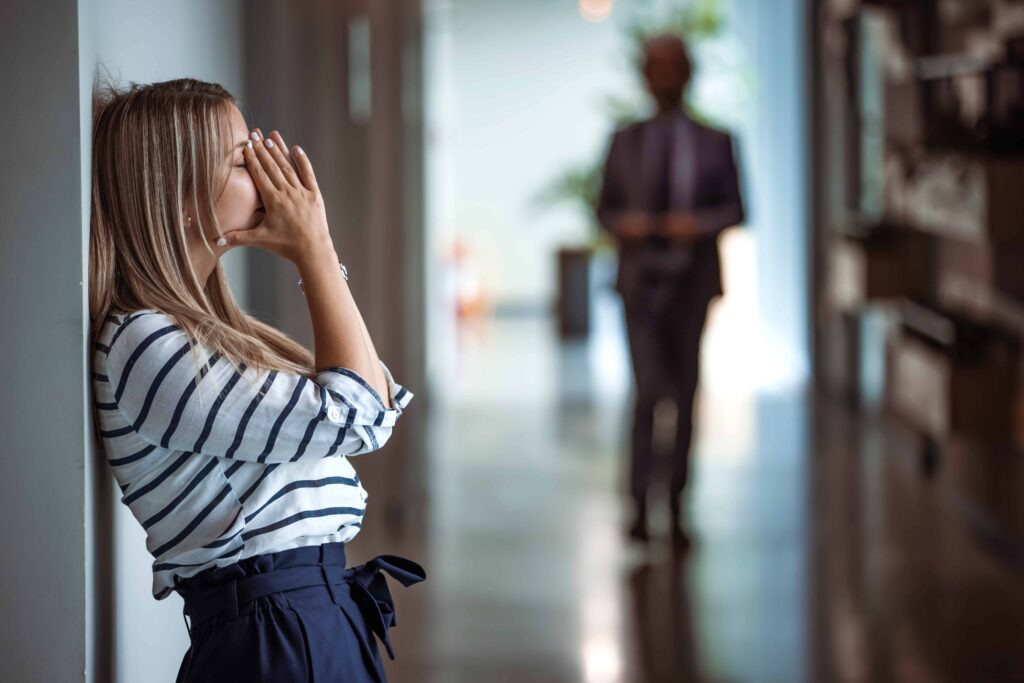
Digital harassment takes both familiar and novel forms. Traditional inappropriate comments simply move online, while technology creates new avenues for misconduct. Remote harassment manifests in several distinct ways that employees should recognize:
During Virtual Meetings:
Through Digital Communications:
Privacy Invasions:
These behaviors create hostile work environments just as effectively as in-person harassment, often feeling more invasive since they occur in employees’ private spaces.
The Unique Challenges of Remote Harassment
Virtual harassment presents distinct challenges that make it both easier to perpetrate and harder to escape. Understanding these dynamics helps explain why remote misconduct often escalates quickly and severely impacts victims.
The false sense of distance emboldens harassers. Behind screens, people feel disconnected from consequences. They type things they’d never say face-to-face. The casual nature of digital communication blurs professional boundaries, with harassers claiming “misunderstandings” or “jokes taken wrong.”
Remote work eliminates natural boundaries between personal and professional spaces. When working from home, employees often feel pressure to be “always on.” Harassers exploit this accessibility, effectively entering your home through required video calls. Comments about your living situation create particularly invasive violations.
The isolation of remote work amplifies harassment’s impact. Without colleagues nearby to witness inappropriate behavior, victims feel alone. The lack of casual workplace conversations means fewer opportunities to validate experiences. This isolation often delays reporting while harassment escalates.
Technology enables persistent harassment through permanent digital records. Group chats preserve inappropriate comments indefinitely. Screenshots circulate without consent. The 24/7 nature of digital access means harassment can occur anytime, extending beyond work hours.
Building Your Digital Evidence Trail
Remote harassment often creates stronger evidence than in-person misconduct if you preserve it properly. Digital communications leave trails that support your claims. Act quickly to secure evidence before it disappears.
Start documenting immediately after inappropriate conduct begins. Early documentation captures patterns and prevents claims of overreaction. Create a dedicated folder on a personal device to store evidence securely.
You should:
Remember that complete documentation makes the difference between strong and weak cases. Preserve everything related to the harassment pattern.
Reporting Virtual Harassment: Step-by-Step Process
Reporting remote harassment follows similar procedures to in-person complaints but requires additional considerations for digital evidence and virtual communication channels. Following proper procedures protects your legal rights and creates the paper trail necessary for potential legal action. Taking the right steps ensures your complaint receives serious attention:
Step 1: Review Company Policies
Locate your employee handbook’s harassment policy. Many companies haven’t updated policies for remote work, but existing procedures still apply. Note required reporting channels and deadlines. Some policies require reporting to direct supervisors first, while others allow HR reports.
Step 2: Make Your Initial Report
Report in writing, even if you discuss it verbally first. Email creates timestamps and delivery confirmation. Include specific incidents with dates, not general complaints. Attach your documented evidence, but keep originals. Request confirmation that your report was received.
Step 3: Follow Up Persistently
If you don’t receive acknowledgment within 48 hours, follow up. Document each attempt to report. If internal channels fail, escalate to higher management. Keep reporting until someone responds substantively, not just acknowledges receipt.
Step 4: File External Complaints
If internal reporting fails, file with the Equal Employment Opportunity Commission (EEOC). Florida employees have 300 days from the last incident to file. The EEOC can investigate even if your employer ignored your complaints. Consider also filing with the Florida Commission on Human Relations.
Step 5: Protect Against Retaliation
Document any changes after reporting. Retaliation includes schedule changes, exclusion from meetings, or negative reviews. Florida law prohibits retaliation for good-faith reports, even if harassment isn’t proven.
Throughout this process, maintain professionalism. Continue performing excellently to prevent pretextual discipline. Avoid discussing your complaint on social media or with uninvolved colleagues.
Employer Obligations in Remote Settings

Florida employers can’t claim ignorance about virtual harassment. The law holds them responsible for maintaining professional environments across all work platforms. They remain liable if they know or should know about harassment, even when employees work from home.
Employers must adapt harassment prevention for remote settings. This includes updating policies for virtual conduct, training on digital boundaries, and monitoring platforms for inappropriate behavior. Companies ignoring remote work dynamics face increased liability.
Investigation obligations remain unchanged. Employers must conduct prompt, thorough investigations of all complaints. Virtual settings don’t excuse delays. Corrective action might include restricting platform access, requiring camera-off participation, or adjusting team assignments.
Employers also face liability for third-party harassment online. “Zoom bombing” with pornographic content creates liability if companies don’t secure meetings. Customer harassment through company platforms requires intervention. Failing to address known third-party harassment violates Title VII.
Privacy Rights and Boundaries in Home Offices
Working from home blurs personal and professional boundaries. Your home remains private despite hosting work activities. Employers can’t demand home tours or access beyond your work area. Comments about visible personal items or family members can constitute harassment.
Florida’s consent laws and employer policies add complexity to virtual privacy rights. Employers may monitor work devices and platforms. This monitoring helps document harassment but means personal use leaves you vulnerable. Always use personal devices for sensitive harassment communications.
While Florida requires all-party consent for personal recordings, employers may record platform meetings. Know when you’re being recorded. Set clear boundaries—refuse bedroom views, establish work hours, and control who can message you. These limits prevent after-hours harassment while maintaining professionalism.
Preventing and Addressing Retaliation
Retaliation for reporting virtual harassment takes new forms in remote settings. Understanding these dynamics helps you protect yourself while pursuing complaints. Florida law prohibits retaliation, but remote work creates subtle opportunities for punishment that require vigilance to identify and document.
Digital retaliation might include exclusion from virtual meetings, removal from communication channels, or sudden technical “difficulties.” Employers might scrutinize your online hours or question productivity, specifically after complaints. These actions violate anti-retaliation provisions.
Protecting yourself requires proactive documentation. Save meeting invitations to prove exclusion. Screenshot team channels before reporting in case you’re removed. Track your work hours and productivity before complaints to counter sudden performance concerns.
If retaliation occurs, report it immediately as a separate violation. Retaliation claims often succeed even when underlying harassment claims face challenges. Florida courts recognize that retaliation discourages legitimate complaints. Document how retaliatory actions affect your work and well-being.
Best Practices for Remote Workers

Remote workers in Florida can take proactive steps to safeguard boundaries and document issues before problems arise. These strategies help maintain professionalism while preserving evidence if violations occur:
Technology Settings for Protection:
Communication Boundaries:
Meeting Participation Strategies:
These steps don’t shift responsibility away from employers, but they help workers stay protected while maintaining professional remote work relationships.
FAQ About Remote Sexual Harassment in Florida
Taking Action to Protect Your Rights
Remote work shouldn’t mean remote harassment goes unchecked. Florida law provides robust protections for employees facing inappropriate conduct in virtual workplaces. Your right to a harassment-free work environment extends to every Zoom call, Slack message, and digital interaction related to your employment.
Don’t let the virtual nature of harassment minimize its impact. Document digital evidence systematically and report through proper channels. The digital trail created by remote harassment often provides stronger evidence than traditional workplace misconduct.
If you’re experiencing sexual harassment while working remotely, you don’t have to navigate these complex situations alone. Brenton Legal’s employment attorneys understand the evolving landscape of virtual workplace harassment and can evaluate your rights under Florida and federal law. We’ll help you build a strong case using digital evidence and pursue the remedies available for virtual misconduct.
Get A Consultation: Call 1-954-639-4644 or Book Online

Ryan Brenton
Ryan Brenton, the founding partner of Brenton Legal PA, is a distinguished employment lawyer with a profound experience in a variety of employment disputes.
His practice encompasses complex litigation, wage and hour class action cases, and discrimination, harassment, and retaliation claims. Representing a diverse clientele, from minimum wage workers to executives, Ryan has successfully argued cases in both state and federal courts, as well as in administrative proceedings. His legal acumen has earned him a national reputation and respect from clients and peers alike.
A graduate of Nova Southeastern University, Shepard Broad Law Center, and holding a B.S. in Economics from Florida Atlantic University, Ryan’s legal prowess is underpinned by a solid educational foundation. His commitment to justice and fairness in the workplace marks him as a trusted advocate in the field of employment law.


